
Yuma East Wetlands: Trail Guide for Yuma AZ Families
Last updated: October 24, 2026
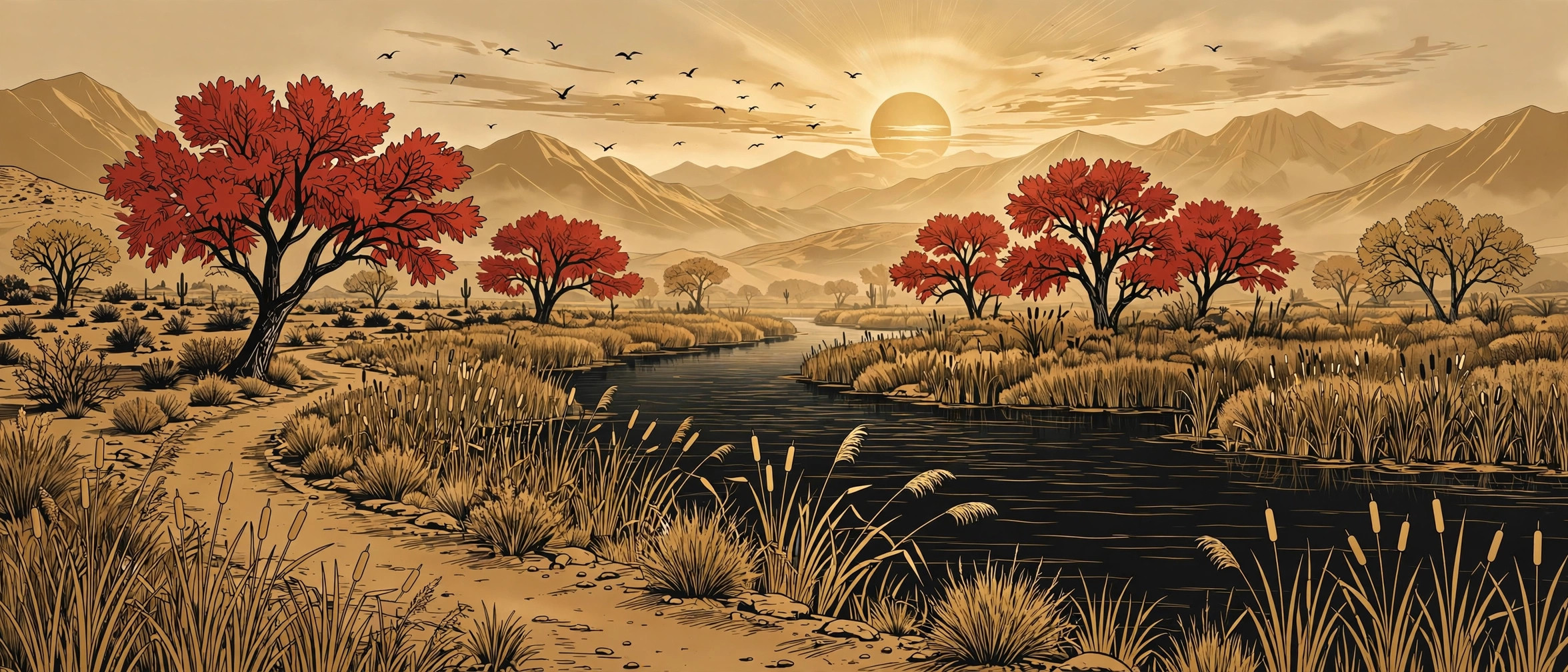
Yuma is a desert city, which is exactly why the Yuma East Wetlands surprises so many newcomers. Tucked along the Colorado River at the east end of town, this 400-acre restored wetland is one of the greenest, quietest corners of Yuma: miles of flat trails, cottonwood shade, birds everywhere, and the river itself running right beside the path. If you are new to town, or thinking about moving here, it is the fastest way to understand what living near the river in Yuma actually feels like.
The East Wetlands sits inside the Yuma Crossing National Heritage Area, and it connects to the Yuma Crossing bike path that runs along the river levee. Admission is free, the trails are flat and well kept, and it works for just about everyone: morning walkers, families with kids, dogs, birdwatchers, and cyclists heading toward downtown or the riverfront parks.
What trails will you find at the East Wetlands?
The main loop runs about three miles, with a shorter half-mile river trail for a quick out-and-back. The paths are mostly flat dirt and gravel, which makes them friendly for strollers and for anyone who wants an easy walk rather than a climb. Telegraph Pass is Yuma's workout hike; the East Wetlands is Yuma's unwind walk. Visitors regularly report logging thousands of steps here without noticing, because the scenery keeps changing: open water, cattails and reeds, cottonwood groves, and wide views of the river.
What wildlife and birds can you see?
Birdwatching is the headline activity. The restored marsh draws herons, egrets, ducks, and songbirds year-round, and the fall and winter months add migrating species passing along the Colorado River corridor. Early morning is the best time, when the birds are active and the desert light is soft. Bring binoculars if you have them, and keep an eye on the water's edge, where wading birds hunt in the shallows.
When is the best time to visit?
Fall through spring is prime time, and right now is a perfect window: October mornings are warm but comfortable, the cottonwoods are starting to turn, and the trails are at their best. Summer visits are still possible, but go early, bring more water than you think you need, and plan to be off the trail before the heat builds. There is shade along parts of the trail, but this is still the Yuma desert, and the sun does not negotiate.
Can you bring dogs, bikes, and kids?
Yes to all three, with the usual common sense. Dogs love the trails and the river access, but keep them leashed and bring water for them too. Cyclists share the multi-use paths, so keep to the right and give walkers room. Kids do well here: the flat trails, the birds, and the river make it a natural field trip, and it pairs easily with a stop at the nearby Colorado River State Historic Park, where the old army depot buildings tell the story of Yuma's river crossing days.
Why does this matter if you are moving to Yuma?
Here is the part that ties back to real estate. Neighborhoods near the river and downtown, from the historic homes around the old town to the newer subdivisions east of the wetlands, put this kind of morning walk within a few minutes of your front door. Winter visitors plan whole seasons around the river trails, and military families at MCAS Yuma use the wetlands as an easy weekend reset that costs nothing and works for every age in the family. When people ask what daily life in Yuma feels like outside the summer heat, the East Wetlands is one of the best answers.
Start at the Yuma Crossing bike path access near the river, walk the loop, and finish with breakfast downtown. It is a simple morning, and it is one of the most Yuma mornings you can have. If you want help finding a home near the river, downtown, or anywhere in Yuma County, call (928) 503-9444 or book a free consultation, and I will show you the neighborhoods that fit the life you want here.